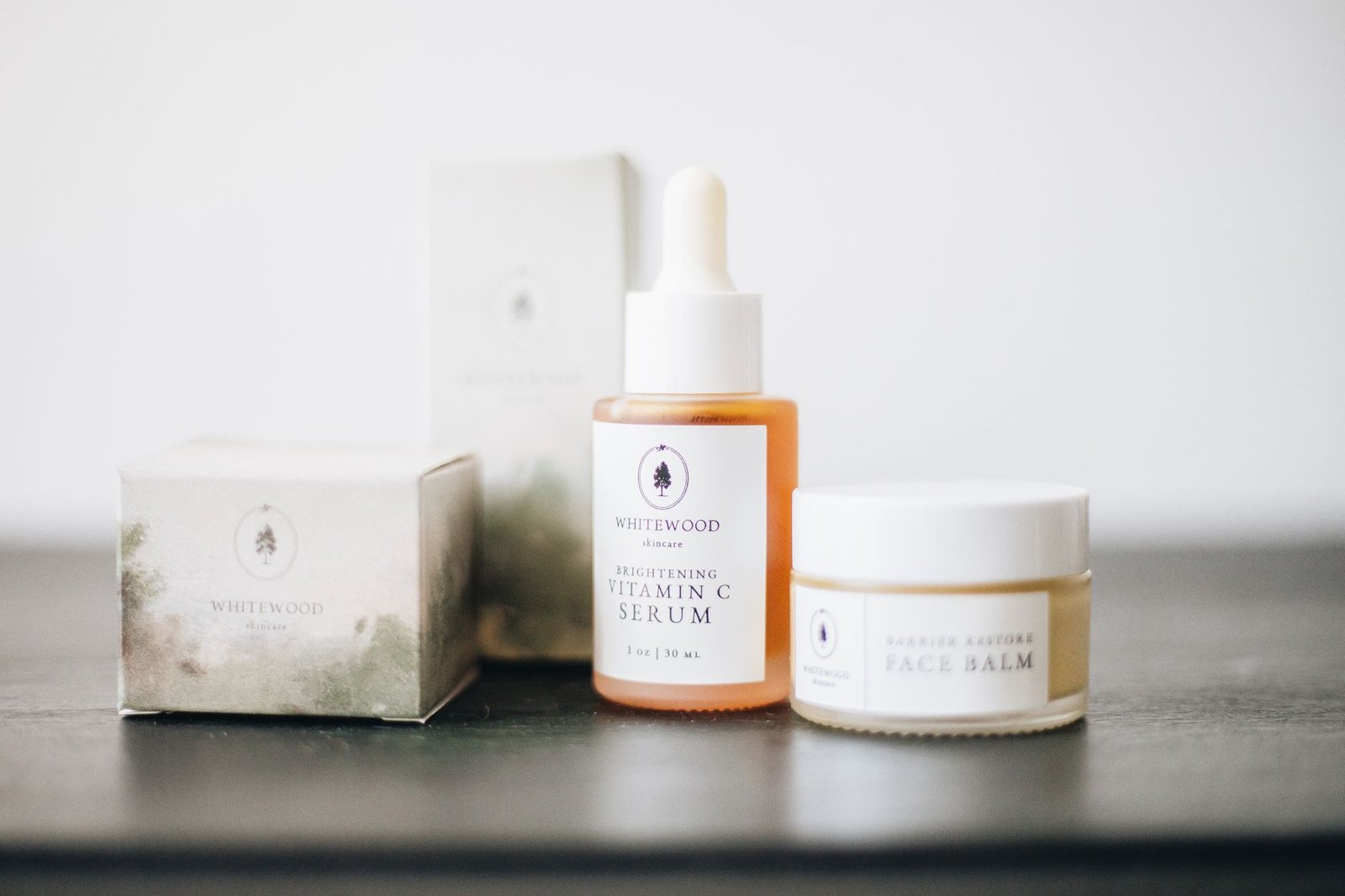
When you start looking for a cosmetics maker, you hit a fork in the road: go overseas for the lowest sticker price, or choose a North American cosmetic manufacturer closer to home. For most indie brands, the real cost is not the unit price. It is everything around it.
Minimum order quantities
Overseas factories are built for volume. It is common to see minimums of 5,000 or 10,000 units per product, which is a huge gamble for a brand that has not proven demand yet. A North American small-batch lab can start you much lower. We produce from 250 units, so you can launch, learn, and reorder without warehousing thousands of units you are not sure you can sell.
Shipping and lead times
An overseas run can mean weeks on the water, customs, and duties before you ever see a bottle. When something is wrong, that whole cycle repeats. Making your product in North America collapses that timeline and makes reorders fast, which matters enormously when a product starts selling.
Communication
Timezones and language gaps turn a simple tweak into a multi-day back-and-forth. Working with a lab in your own region means real-time conversations, faster answers, and fewer things lost in translation, literally and figuratively.
Compliance
Selling in North America means meeting FDA and MoCRA requirements in the US and Health Canada requirements in Canada. A North American cosmetic manufacturer that is already set up for both markets builds that into your product from day one, instead of leaving you to discover a compliance gap after production.
Why a North American cosmetic manufacturer often wins
Overseas can win on pure unit cost at very high volumes. But for a founder launching or growing, the lower minimums, faster turnarounds, easier communication, and built-in compliance of a North American partner usually add up to less risk and less wasted money.
Frequently asked questions
Is North American manufacturing more expensive? Per unit at massive scale, sometimes. But once you factor in minimums, shipping, duties, and the cost of being stuck with unsold stock, the gap narrows or reverses for most small brands.
Can I start small and scale up later? That is exactly the point of small-batch. Launch at a low minimum, prove the product, then scale your runs as demand grows.
Weighing your options? Book a free intro call and we will give you honest numbers for your product.