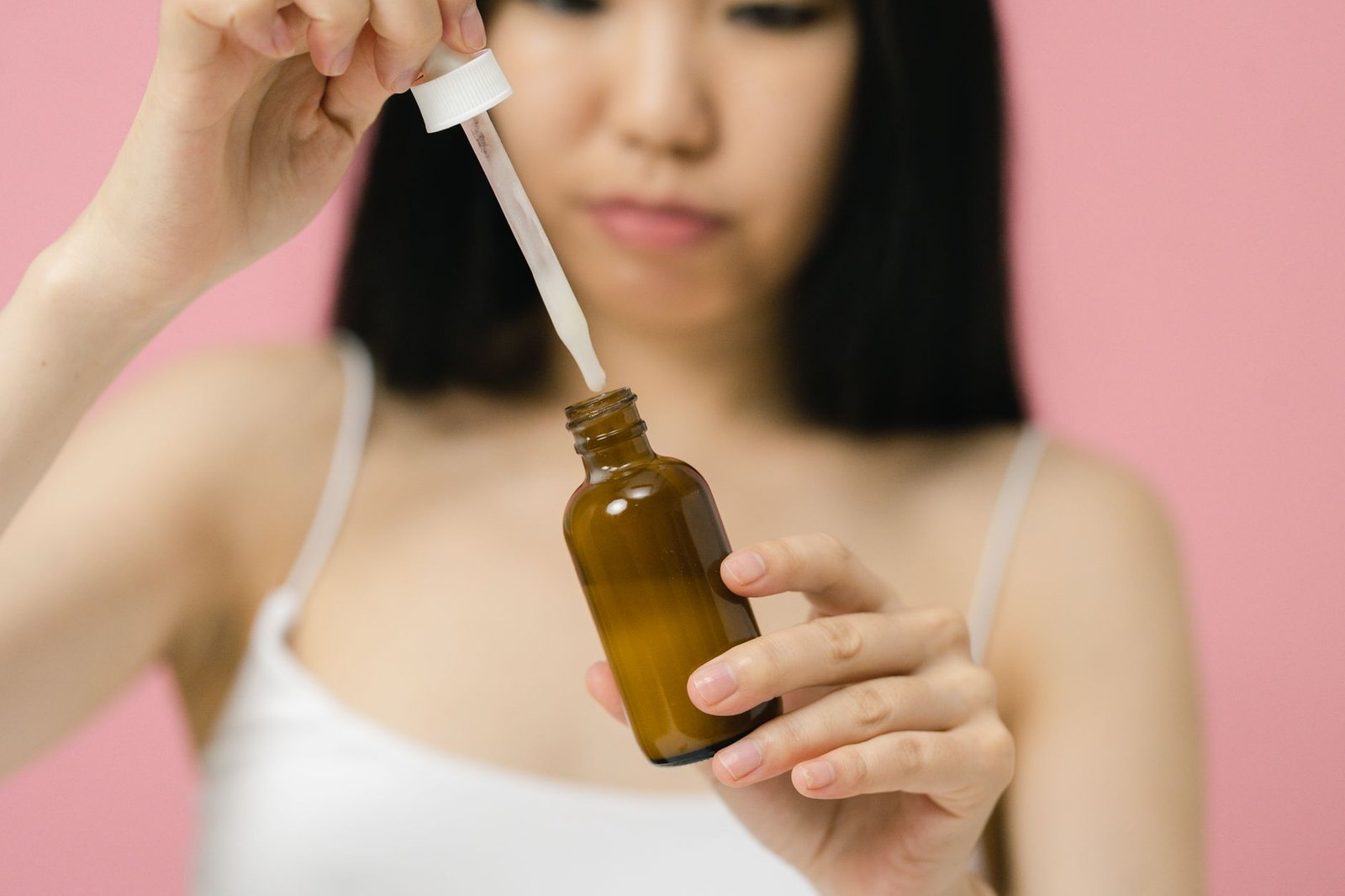
If you want to turn a formula into thousands of shelf-ready bottles, understanding contract manufacturing in cosmetics is the first step you must take. Many beauty founders reach a point where hand-pouring batches in a kitchen creates a real bottleneck. You need a trusted laboratory partner who can take your raw idea or finished lab sample and scale it safely, legally, and consistently.
- Contract manufacturing delegates cosmetic production, quality control, and regulatory compliance to a specialised laboratory facility.
- It differs from turn-key private label production by offering custom formula development, full asset ownership, and complete raw material selection.
- Key stages include benchmark testing, pilot scaling, stability protocols, bulk compounding, and final package filling.
- Finding a facility with lower minimum order quantities lets you scale production without trapping cash in unwanted inventory.
What Is Contract Manufacturing in Cosmetics?
In simple terms, contract manufacturing in cosmetics means hiring an outsourced laboratory facility to compound, fill, and pack your personal care products. You supply the brand vision, target profile, or custom ingredient specification. The facility provides the specialised equipment, chemical expertise, and quality control systems needed to make it at scale.
As a cosmetic scientist, I see many founders confuse this model with standard stock purchasing. Stock products use pre-made formulas where you simply slap your sticker on a bottle that dozens of other brands also sell. Choosing contract manufacturing in cosmetics gives you an original product tailored specifically to your active ingredients, viscosity preferences, and aesthetic identity. You own the intellectual property and control what goes into the jar.
Outsourcing your production lets you focus on brand strategy, sales channels, and retail placement. Building a compliant manufacturing facility requires cleanrooms, industrial homogenisers, vacuum de-aerators, and expensive analytical equipment. Partnering with an established lab avoids those massive capital expenditures. You get immediate access to technical precision without building a factory from scratch.
How Contract Manufacturing in Cosmetics Works Step by Step
The journey from initial concept to packed shipping boxes follows a structured scientific pathway. Understanding each phase helps you manage timelines, budget effectively, and avoid costly rework along the way.
Phase 1: Briefing and Custom Formulation
Every successful project starts with a detailed product brief. You share your desired skin feel, scent preference, ingredient blacklist, and price target. Our team reviews your concept through a chemical lens. We select emulsifiers, humectants, thickeners, and preservatives that interact harmoniously without separating or turning cloudy. You receive initial lab samples to test on your own skin and approve.
Phase 2: Scale-Up and Pilot Testing
Making a 500-gram sample in a lab beaker is very different from compounding a 100-kilogram production batch. The reality of contract manufacturing in cosmetics is that physical forces change at higher volumes. Shear rates in large tanks alter liquid viscosity, droplet size, and texture. Pilot testing creates an intermediate batch to prove that the emulsion remains stable under industrial mixing speeds and heating cycles before full production begins.
Phase 3: Regulatory Compliance and Stability Testing
Before any product reaches a store shelf, it must undergo strict safety checks. Preservative efficacy testing verifies that your formula resists bacterial and fungal growth over time. Accelerated stability testing exposes samples to elevated temperatures and light cycles to predict shelf life and colour changes. We also review your ingredient disclosures to ensure alignment with Health Canada cosmetic regulations and global market guidelines. You can read more about how we structure our laboratory timeline on our formulation process page.
Phase 4: Bulk Compounding, Filling, and Quality Control
Once tests pass, raw ingredients are weighed, heated, mixed, and cooled inside stainless steel vessels. Bulk batches undergo quality control checks for pH, specific gravity, viscosity, and microbial purity. Once cleared, high-speed filling equipment pumps the product into your containers, caps them, and seals them. Every lot gets a specific batch code for full traceability.
Key Benefits of Outsourcing Cosmetic Production
Scaling a beauty brand requires capital efficiency. When evaluating contract manufacturing in cosmetics, stability testing is just one part of the overall value equation. Here is why outsourcing makes economic and operational sense for growing independent brands.
First, you gain deep technical experience without hiring a full-time staff of chemists. Water-in-oil emulsions, anhydrous balms, and surfactant blends present distinct physical challenges. An experienced chemist knows how to adjust shear rates, neutralise carbomers, or solubilise hydrophobic oils so your product remains smooth and uniform over its entire shelf life.
Second, you leverage bulk purchasing power for raw materials and packaging. Manufacturing facilities purchase active botanicals, specialty emulsifiers, and functional polymers across multiple client accounts. This lowers raw ingredient costs and opens access to high-grade ingredients that small brands cannot purchase individually due to high supplier minimums.
Contract Manufacturing vs Private Label vs In-House Production
Choosing the right production strategy depends on your budget, timeline, and desire for unique market positioning. Working within contract manufacturing in cosmetics gives you direct control over your formulation while avoiding the massive overhead of running your own factory. Here is how the primary models compare across key parameters.
| Feature | Contract Manufacturing | Private Label | In-House Production |
|---|---|---|---|
| Formula Ownership | Full IP Ownership | Supplier Holds IP | Full IP Ownership |
| Customisation Level | 100% Bespoke Formula | Pre-made Stock Base | 100% Bespoke Formula |
| Capital Expenditure | Low to Moderate | Very Low | Extremely High |
| Time to Market | 4 to 8 Months | 1 to 2 Months | 12+ Months |
| Unit Cost at Scale | Low | Moderate to High | High for Small Batches |
Outsourcing to a specialized lab allows independent founders to compete directly with legacy brands on product quality, skin feel, and safety metrics. If you want to explore how our Toronto lab handles small runs starting from 250 units, review our custom manufacturing services.
What to Ask Before Selecting a Manufacturing Partner
Not all facilities operate with the same standards or flexibility. Before signing an agreement or transferring funds, ask prospective manufacturing partners these critical operational questions.
What Are Your Minimum Order Quantities?
Traditional facilities often require 5,000 to 10,000 units per individual stock keeping unit. High minimum order quantities force young brands to lock up cash in excess inventory before proving market demand. Look for a boutique facility that supports low minimums starting around 250 units so you can test new products safely without excess financial risk.
Who Owns the Intellectual Property?
Some facilities hold your formula hostage by refusing to disclose full concentration details or charging exorbitant release fees. You should always retain full ownership of your custom formulations. Ensure your contract explicitly states that the intellectual property belongs to your company upon final invoice payment.
Who Supervises Quality Control and Batch Production?
Ask whether the team that formulates your product is also supervising the actual production line. When the formulation chemist directly oversees compounding and quality control, potential issues are identified and resolved instantly. This hands-on oversight guarantees that every bottle matches the exact sensory profile and viscosity of your approved lab sample.
Partnering with an agile, science-focused lab bridges the gap between creative ambition and commercial success. You bring the clear brand vision while we handle the complex chemistry, equipment scaling, and quality control needed to grow your business safely.