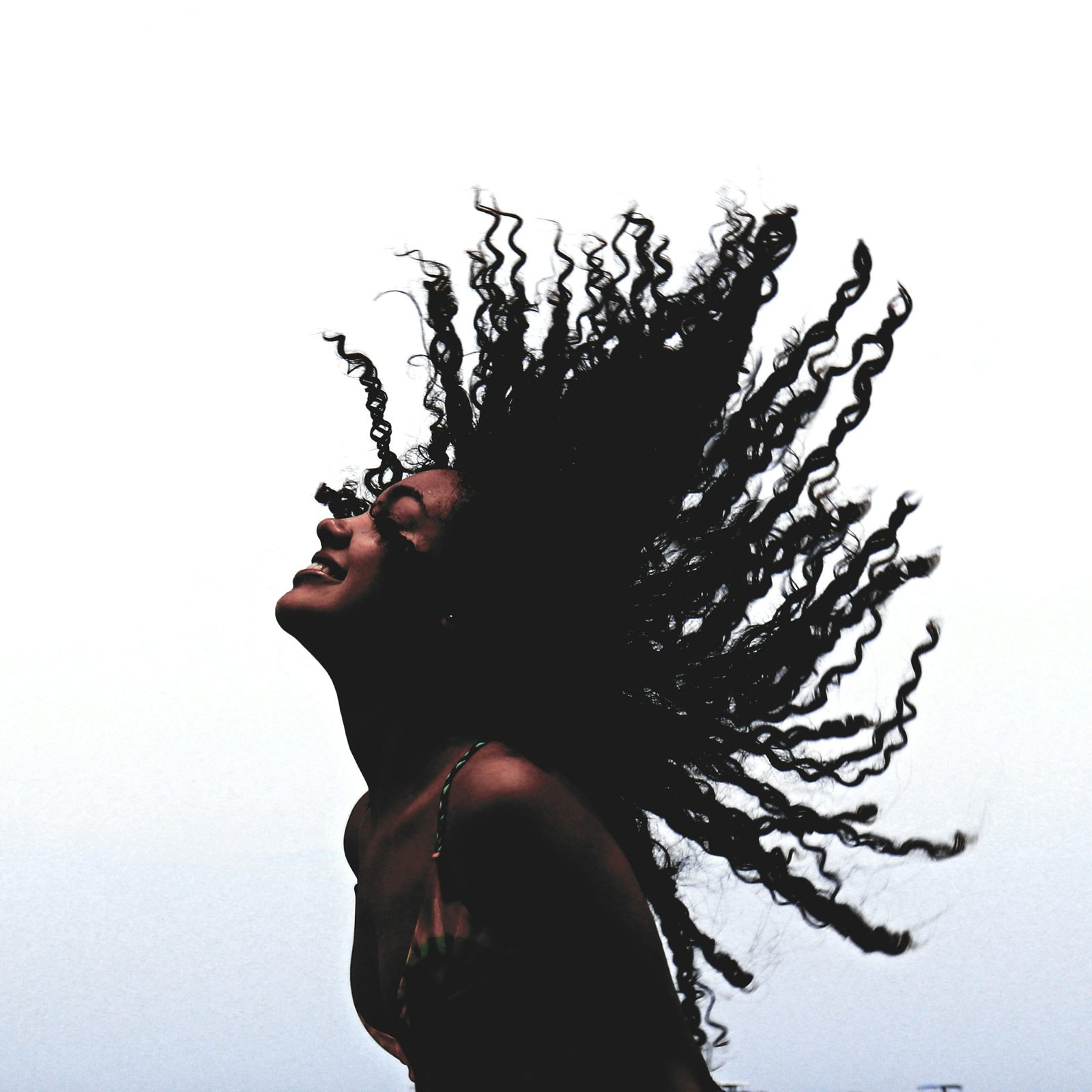
Formulating for Textured Hair What beauty brands need to know
The textured hair care market is one of the fastest-growing segments in the global beauty industry, and it remains significantly underserved by mainstream formulation. For beauty brand founders entering this space, understanding the science of textured hair is not optional — it is the foundation of every formulation decision you will make.
Understanding Textured Hair Structure
Textured hair differs from straight hair in several fundamental ways. The elliptical cross-section of textured hair strands means the cuticle layers do not lie as flat, creating more surface area, more friction points, and more opportunity for moisture to escape. Sebum produced at the scalp has difficulty traveling the length of tightly coiled strands, meaning the ends are naturally drier and more prone to breakage. Formulations for textured hair must compensate by delivering moisture and emollients directly to mid-lengths and ends.
Hair porosity — the hair’s ability to absorb and retain moisture — varies significantly within the textured hair community. High-porosity hair absorbs moisture quickly but loses it just as fast. Low-porosity hair resists moisture absorption but retains it well once it penetrates. Formulations that work well for high-porosity hair may feel heavy or cause buildup on low-porosity hair.
Key Ingredients for Textured Hair
Humectants
Glycerin, panthenol, aloe vera, and honey draw moisture from the environment into the hair shaft. Glycerin is most effective in humid climates but can have the opposite effect in very dry environments — pair it with occlusive ingredients that seal moisture in.
Penetrating Oils
Coconut oil, avocado oil, and olive oil have molecular structures small enough to penetrate the hair shaft and provide internal conditioning. Particularly valuable for high-porosity hair.
Sealing Oils
Castor oil, jojoba oil, and argan oil primarily coat the hair shaft, sealing in moisture and reducing water loss. Particularly valuable for dry ends and as finishing oils.
Slip Agents
Cetrimonium chloride and behentrimonium methosulfate reduce static and improve detangling — one of the most valued properties in textured haircare. Guar hydroxypropyltrimonium chloride is a plant-derived option.
Proteins
Hydrolyzed keratin, wheat protein, silk, and quinoa can strengthen the hair shaft and reduce breakage. However, protein sensitivity is common — balance proteins with adequate humectants and emollients to avoid stiffness.
Core Formulation Principles
- Prioritize moisture over protein in most formulas. The most common complaint about haircare products in the textured hair community is that they are too protein-heavy and not moisturizing enough.
- Avoid sulfates in cleansers. Sodium lauryl sulfate and sodium laureth sulfate are too stripping for most textured hair. Use gentler surfactant systems — co-washing formulas, low-poo cleansers, or sulfate-free shampoos.
- Test on the actual hair types you are formulating for. A formula developed and tested only on straight hair will not perform predictably on 4C coils. Recruit a diverse panel of textured hair testers at every stage of development.
- Consider porosity in your product positioning. A single ‘for all textured hair’ positioning is often too broad. Consider developing separate formulas for high-porosity and low-porosity hair.
Building a textured hair line?
Our founder has personal and professional experience formulating for textured hair across all curl types. Book a call to discuss your brand vision and formulation strategy.
Book Your Free 15-Min Call