The True Cost of Private Label Skincare in Canada An honest 2026 breakdown
Note
This guide explains what drives the cost of a skincare product so you can plan a realistic budget. It does not publish prices: every Formyoule project is quoted individually, in USD, once we know your formula, packaging and quantities.
The cosmetic manufacturing industry is not known for pricing transparency, and the numbers quoted online vary so widely that they are of little use for planning. This guide explains what really drives the cost of developing and launching a private label skincare product in Canada in 2026, and how to prepare a budget a manufacturer can quote against.
The Six Cost Categories
Developing a skincare product involves costs across six distinct categories. Most founders budget for production but underestimate or overlook the other five.
1. Formulation & Development
Varies by pathWhite label uses an existing formula with your branding, so setup is minimal. Private label adapts a proven base. Custom formulation is developed from your brief and needs the most development time. Plan for 2–3 sample rounds.
2. Stability & Safety Testing
Varies by claimsAccelerated stability testing and Preservative Efficacy Testing are the usual minimum. Real-time testing and dermatologist testing are added when your claims require them.
3. Packaging
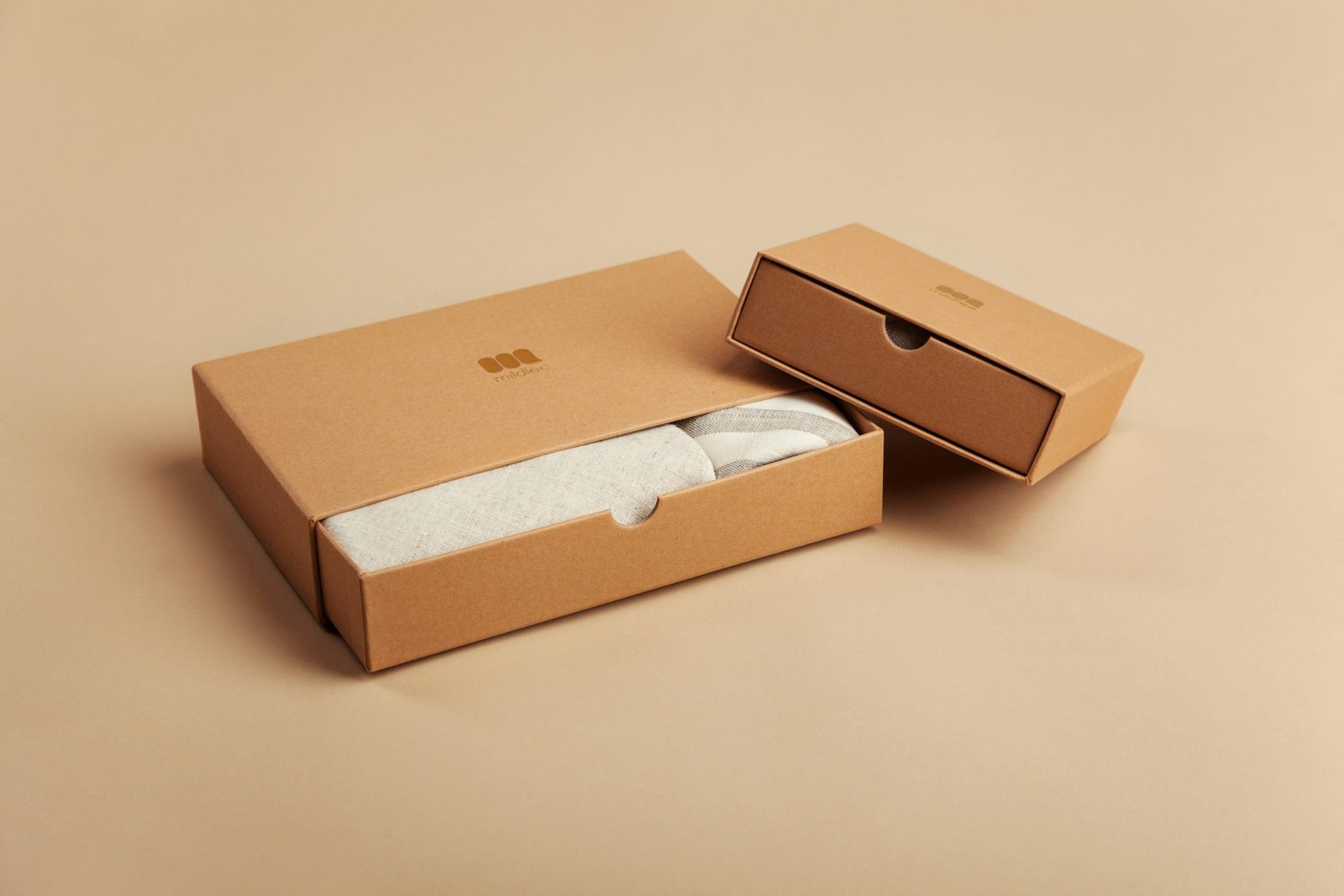
Varies by materialsGlass costs more per unit than plastic, and a secondary box adds to every unit. Custom packaging carries tooling fees, which is why stock packaging is usually the better choice for a first launch.
4. Production
Varies by batch sizeFilling, capping and labelling are priced per unit, so smaller runs cost more per unit. Quality control and batch documentation should be included: confirm this with your manufacturer.
5. Regulatory Compliance
Varies by marketThe Health Canada Cosmetic Notification is free to file, and an INCI and label review is a modest cost. Selling in Europe adds a safety assessment (CPSR). Selling in the US brings MoCRA obligations, such as product listing, that depend on your product and your arrangement.
6. Marketing Assets
Varies by needsProduct photography, brand identity and label design, and your website are the costs founders most often forget. Budget for them from the start.
How to Prepare Your Manufacturing Budget
Every project is quoted individually, because costs depend on your formula, testing, raw materials, packaging, quantities and manufacturing needs. The table shows what drives each part of your budget and what to have ready when you ask for a quote.
| Category | What drives the cost | What to have ready for a quote |
|---|---|---|
| Formulation & Development | White label, private label or custom | Your product idea or existing formula |
| Stability & Safety Testing | Formula type and claims | The claims you plan to make |
| Packaging | Materials, decoration and quantity | Your packaging preference or samples |
| Production | Batch size, fill size and complexity | Your expected first order quantity |
| Regulatory Compliance | The markets you sell in | Your target markets |
| Marketing Assets | What you already have | Your launch timing |
| Your quote | All of the above, for your project | Prepared in USD after a short call |
The biggest cost variables
The single biggest variable is usually packaging: choosing glass over plastic or adding a secondary box can double your packaging cost per unit. The second is your development path. White label starts at 50 units with an existing formula, while custom formulation takes about 6–8 weeks of development.
Get a personalized cost estimate
Every project is different. Book a free 15-minute intro call and we’ll give you a clear, honest picture of what your specific project will cost and what it will take to bring it to market.
Book Your Free 15-Min Call