If you want to expand your beauty brand, understanding aromatherapy product formulation is the first step toward creating safe, stable wellness products. Many founders assume adding essential oils to a simple oil or water base is a straightforward project. In reality, botanical extracts introduce complex volatile chemistry, rapid oxidation risks, and strict regulatory limits that can make or break your product line.
Key Takeaways for Beauty Brand Founders
- Essential oils are complex chemical mixtures containing reactive terpenes that oxidize quickly without proper antioxidant protection.
- Clear water-based mists require precise solubilisation to prevent phase separation and skin irritation.
- IFRA standards dictate maximum safe usage levels for every botanical aromatic based on dermal sensitization limits.
- Dark amber glass or lined aluminum packaging is required to shield light-sensitive volatile aromatic molecules.
- Our Toronto lab formulates and manufactures custom wellness products in small batches, starting at 250 units depending on the complexity of the project.
The Chemistry of Volatile Aromatics and Oxidation Risks
Essential oils are not single ingredients. A single lavender or citrus oil contains dozens of individual organic compounds, including terpenes, aldehydes, esters, and alcohols. When approaching aromatherapy product formulation, you must account for how these individual compounds interact with oxygen, light, and heat.
Citrus oils contain high levels of d-limonene, a monoterpene that oxidizes rapidly when exposed to air. The oxidation products of d-limonene are known skin sensitizers. When an oil oxidizes, the aroma degrades and the risk of contact dermatitis increases. To prevent this chemical breakdown, I always build a robust antioxidant system into the formula. We use natural mixed tocopherols or rosemary leaf extract to protect the delicate volatile components from premature oxidation.
Temperature control during production is equally critical. Heating volatile oils above their flash point causes the most delicate top notes to evaporate into the laboratory air. When we manufacture batches in our Toronto facility, we cool the main batch phase down to 40 degrees Celsius or lower before incorporating the aromatic phase. This preserves the full profile of the scent and protects the chemical structure of the ingredients.
Navigating Safety Standards in Aromatherapy Product Formulation
A frequent error I see from self-taught founders is using essential oils at concentrations that trigger skin reactions. Every botanical aromatic has a maximum safe concentration defined by the International Fragrance Association. These limits depend on the application area, whether it is a wash-off cleanser or a leave-on facial mist.
For example, bergamot oil contains bergapten, a furanocoumarin that causes severe phototoxicity when exposed to sunlight. To formulate a safe daytime oil or cream, we must source bergapten-free bergamot oil or keep the raw oil concentration well under maximum safety thresholds. If you want to review official cosmetic safety guidelines in Canada, you can consult the Health Canada cosmetic requirements for ingredient restrictions.
Regulatory compliance also governs what you can say on your product label. In aromatherapy product formulation, you must maintain a clear distinction between cosmetic claims and medical claims. You can claim that a facial mist provides a soothing sensory experience or helps moisturise dry skin. You cannot claim that a room spray cures anxiety or treats insomnia without converting your product into a drug under regulatory law. Keeping your claims aligned with cosmetic regulations protects your brand from costly legal re-labels.
Solubilisation and Base Systems for Wellness Products
Water and oil do not mix without intervention. If you want to launch a water-based pillow mist or body spray, floating oil droplets on top of water is unacceptable. Unsolubilised essential oil droplets contact the skin directly, which increases the likelihood of irritation and burning. Achieving a clear, homogeneous liquid requires proper solubilisation.
To disperse oil droplets into water, we select clear-solubilising surfactants like polyglyceryl-4 caprate or polysorbate 20. The ratio of solubiliser to essential oil usually ranges between two to one and five to one, depending on the specific terpenes present in the scent blend. If the ratio is off, the final product turns cloudy or separates over time. You can explore our full range of custom formulation capabilities on our manufacturing services page to see how we build stable base systems.
For cream and lotion emulsions, adding aromatic blends can destabilize the internal surfactant network. High concentrations of volatile oils alter the viscosity and emulsion structure, causing the liquid to thin out or split. We test lipid compatibility during initial sample development to ensure the viscosity remains uniform over the entire shelf life of the product.
Packaging Interactions, QC, and Small Batch Scaling
The chemical profile of volatile aromatics affects how your product interacts with its container. Terpenes can migrate into soft plastics, causing bottles to collapse or warp over time. This phenomenon, known as paneling, destroys the visual appeal of your packaging. Furthermore, light exposure accelerates chemical breakdown, shifting the scent profile and darkening the liquid colour.
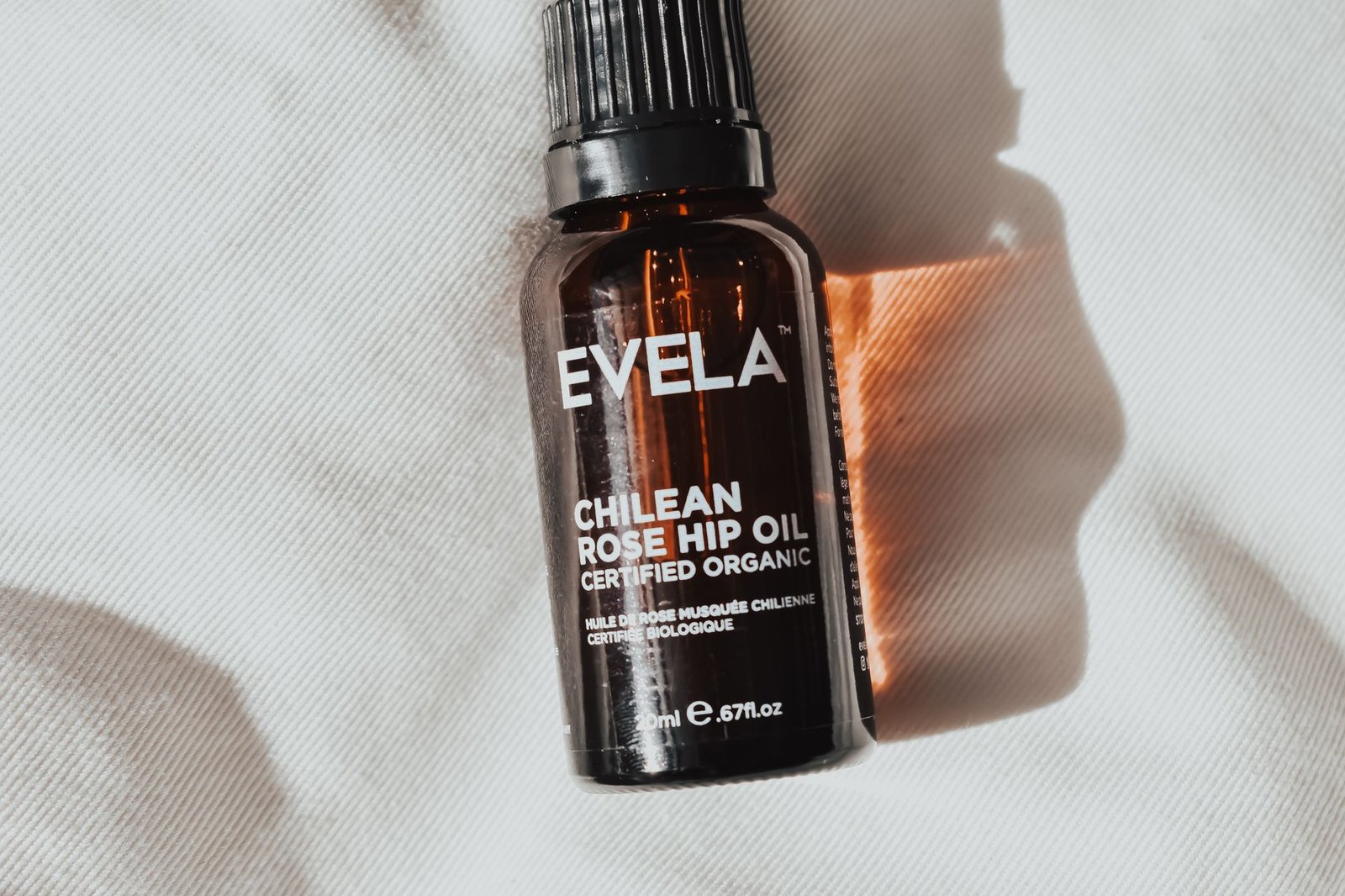
We recommend dark amber glass, violet glass, or specially lined aluminum containers for aromatic formulas. These materials block ultraviolet rays and prevent volatile compounds from degrading. During our custom development process, we conduct compatibility testing to ensure your formula remains stable inside your chosen packaging before full production begins.
Scaling up an aromatherapy product formulation requires absolute precision. Measuring essential oils by drops or volume in a kitchen leads to massive batch variations. In our lab, every ingredient is weighed in grams to two decimal places. The chemist who formulates your product in development is the same person overseeing the batching, filling, and quality control of your final order. Producing small batches, from 250 units depending on the project, gives independent brand founders the ability to launch professional products without tying up working capital in excess inventory.
| Product Type | Base Structure | Key Stability Challenge | Packaging Need |
|---|---|---|---|
| Anhydrous Body Oil | 100% Lipid / Carrier Oils | Rapid lipid oxidation & rancidity | Amber glass with pump or dropper |
| Aromatic Body Mist | Water + Solubiliser System | Phase separation & cloudiness | Fine-mist sprayer, UV-opaque bottle |
| Emulsion Care Cream | Water-in-Oil or Oil-in-Water | Emulsion breakdown & viscosity loss | Airless pump or opaque jar |
Building a Sustainable Scented Line for Your Brand
Adding wellness products to your catalog gives your customers a deeper sensory connection to your brand. By prioritizing strict formulation science over guessing, you protect your customers from irritation and protect your business from quality control issues. Working directly with an experienced cosmetic chemist ensures your ideas translate into stable, beautiful products that are ready for market.
Ready to add an aromatherapy product to your line? Tell us about your project and we will review the formula, batch size and timeline with you.