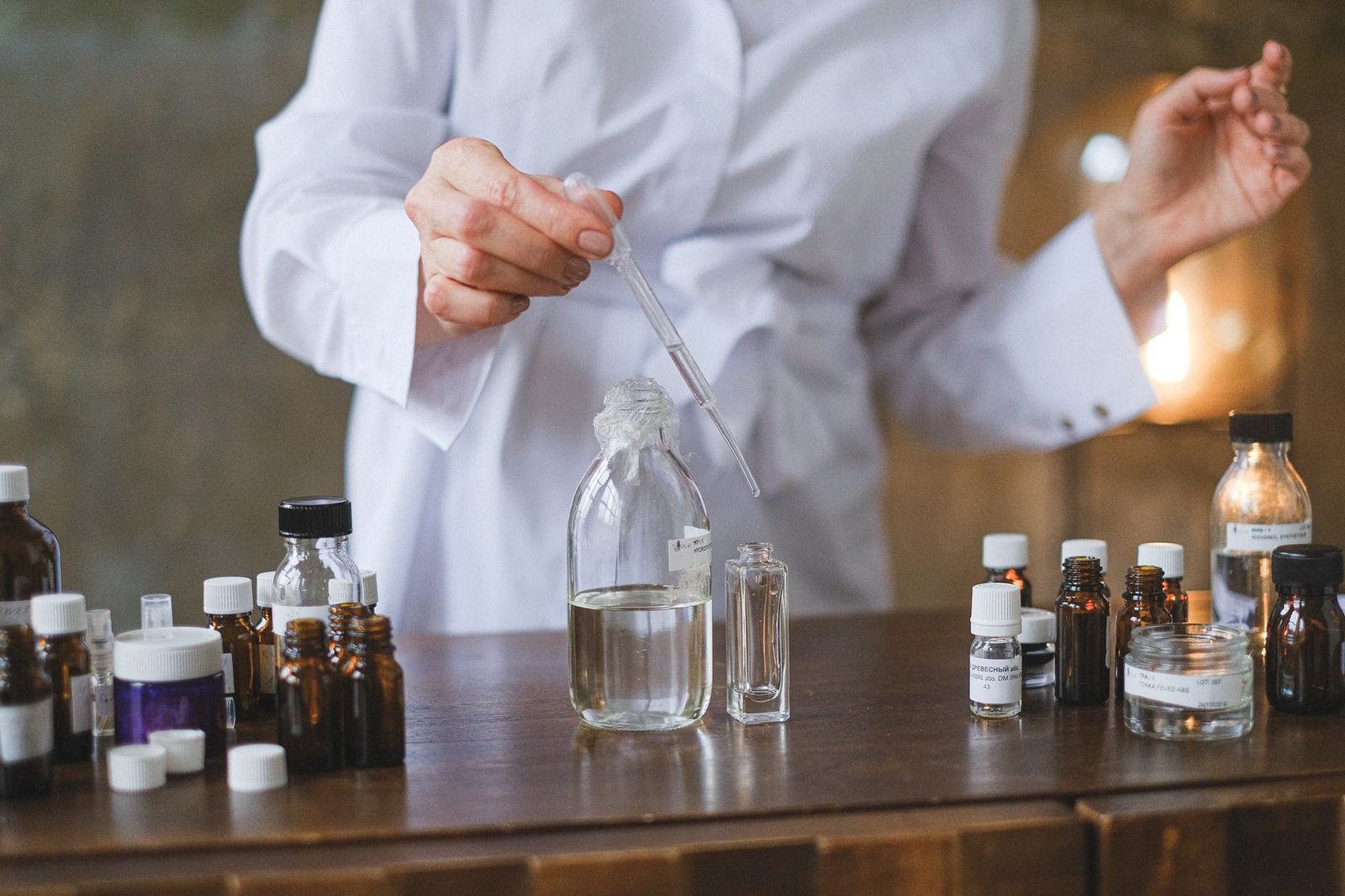
Navigating clean beauty formulation can feel like solving a moving target when every major beauty retailer publishes a different ingredient blacklist. Brand founders often come to our Toronto lab with conflicting lists from Sephora, Credo, and European regulatory updates, unsure which raw materials are genuinely problematic and which are merely misunderstood. I built this guide to explain the exact chemical reasons behind ingredient exclusions, how to replace synthetic benchmarks without sacrificing product shelf life, and how we formulate stable products for independent brands starting at 250 units.
- Clean beauty standards vary by retailer, but core exclusions focus on parabens, sulfates, cyclic silicones, formaldehyde donors, and synthetic phthalates.
- Alternative preservative systems rely heavily on strict pH control, synergistic organic acids, and effective chelating agents.
- Replacing silicones requires matching the specific molecular weight and play-time of plant-based light esters to maintain sensory appeal.
- Mild glucoside and glutamate surfactants can match the foam density of sulfates when paired with the right secondary thickeners.
- You bring the vision. We handle the science to ensure your custom formulas pass micro challenge testing and remain stable.
The Core Science Behind Clean Beauty Formulation
Clean beauty is not a legal term defined by government bodies. Instead, it is a set of brand standards driven by consumer demand, retailer requirements, and evolving safety evaluations. When a founder requests a clean beauty formulation, my job as a cosmetic chemist is to translate marketing exclusions into functional chemical equivalents. We do not simply remove an ingredient. We must replace its precise physical role in the emulsion, surfactant matrix, or anhydrous system.
Every ingredient in a formula serves a distinct purpose. Silicones provide slip and reduce tackiness. Sulfates lower surface tension to create rapid lather. Parabens prevent bacterial and fungal growth across wide pH ranges. When you remove these workhorses, the remaining ingredients must work harder. This requires a deeper understanding of molecular weight, ionic charge, and phase behaviour than traditional bench chemistry requires.
Regulatory frameworks also set the baseline for safety before clean marketing even enters the conversation. You can review official safety guidelines through the Health Canada cosmetic safety standards to see how federal authorities regulate cosmetic ingredients. Clean standards take those baseline rules a step further by excluding ingredients based on environmental impact, bioaccumulation, or potential skin sensitisation.
Preservatives: Moving Beyond Parabens and Formaldehyde Donors
Preservation is non-negotiable. Water-based cosmetics will grow bacteria, yeast, and mould without a robust preservative system. Traditional formulations relied on parabens like methylparaben and propylparaben, or formaldehyde donors like DMDM hydantoin and imidazolidinyl urea. These ingredients were popular because they were inexpensive, broad-spectrum, and stable across a wide pH range from 3.0 to 8.0.
In a clean beauty formulation, we swap these traditional preservatives for organic acids, nature-identical compounds, and multifunctional glycols. Common clean choices include sodium benzoate, potassium sorbate, benzyl alcohol, dehydroacetic acid, and caprylyl glycol. However, these alternatives come with clear chemical constraints that dictate how the rest of your formula is built.
Organic acids only work in their undissociated form. This means your final product pH must stay below 5.5, and ideally between 4.5 and 5.2. If your finished cream drifts to a pH of 6.0, sodium benzoate loses its antimicrobial strength and your product fails micro testing. We balance these systems by pairing organic acids with natural chelating agents like sodium phytate or tetrasodium glutamate diacetate, which bind metal ions and weaken microbial cell walls.
Texture and Slip: Replacing Silicones with Plant Esters
Dimethicone, cyclopentasiloxane, and cyclotetrasiloxane have long been the industry standards for luxurious skin feel. They create a silky barrier, prevent trans-epidermal water loss, and eliminate the white soaping effect common in natural emulsions. Cyclomethicones also offer a dry, quick-evaporating finish in hair serums and dry body oils.
Clean standards restrict cyclic silicones like D4 and D5 due to environmental bioaccumulation concerns, while many clean retailers ban all linear silicones for brand positioning. Achieving that same sensory finish in a clean beauty formulation requires blending light, medium, and heavy plant-derived esters instead of relying on a single synthetic polymer.
To match the light, dry feel of cyclomethicone, we use volatile alkanes derived from vegetable oils, such as coco-caprylate/caprate, isoamyl laurate, or undecane with tridecane. These plant alkanes evaporate or absorb rapidly, giving the formula immediate play-time without leaving a greasy residue. For barrier protection, we combine hemisqualane with plant oils rich in oleic and linoleic fatty acids. This creates a multi-layered cushion on the skin that mimics dimethicone without clogging pores or violating retailer blacklists.
Cleansing Systems: Replacing Sulfates with Mild Surfactants
Sodium Lauryl Sulfate (SLS) and Sodium Laureth Sulfate (SLES) are exceptional cleansers. They produce instant, dense foam and thicken easily with simple table salt. However, their aggressive defatting action can disrupt the skin barrier and strip hair cuticles. Ethoxylated surfactants like SLES also carry risks of 1,4-dioxane traces, leading clean brands to reject them entirely.
Replacing sulfates means moving to mild, bio-based surfactants derived from coconut, corn, or fermented sugars. We frequently formulate with alkyl glucosides, such as coco-glucoside and lauryl glucoside, alongside acyl glutamates like sodium cocoyl glutamate, and isethionates like sodium cocoyl isethionate. These materials are far gentler on the stratum corneum and keep skin moisturised post-wash.
The trade-off is that clean surfactants are notoriously difficult to thicken. Salt will not thicken a glucoside system. To build a rich, viscous gel, we use natural gum networks like xanthan gum paired with sclerotium gum, or bio-ferment thickeners like gellan gum. We also combine primary glucosides with amphoteric secondary surfactants like cocamidopropyl hydroxysultaine to boost foam stability and create a dense, creamy lather consumers expect from high-end body washes and shampoos. If you are exploring how we structure these cleansing bases, you can review our full range of custom formulation services.
Comparing Traditional vs Clean Formulation Choices
Selecting clean raw materials requires balancing performance, skin feel, cost, and stability. The table below outlines common ingredients targeted for removal and the scientific replacements we formulate with in our Toronto lab.
| Category | Traditional Ingredient | Clean Alternative | Formulation Consideration |
|---|---|---|---|
| Preservatives | Parabens, DMDM Hydantoin | Sodium Benzoate + Potassium Sorbate + Caprylyl Glycol | Requires final formula pH strict control below 5.2; must pair with chelators. |
| Silicones | Dimethicone, Cyclopentasiloxane | Isoamyl Laurate, Coco-Caprylate, C13-15 Alkanes | Matches volatile dry-down; requires oxidation management with tocopherol. |
| Surfactants | SLS, SLES | Coco-Glucoside, Sodium Cocoyl Glutamate | Gentler on barrier; requires natural gums or hydrocolloids to adjust viscosity. |
| Chelators | Disodium EDTA | Sodium Phytate, Tetrasodium Glutamate Diacetate | Binds metal ions effectively; sensitivity to high electrolyte concentrations. |
| Thickeners | Carbomer, PEGs | Xanthan Gum, Sclerotium Gum, Cellulose | Can feel tacky if overused; requires high-shear dispersion during production. |
Managing Stability and Fragrance in Clean Formulations
A major challenge in clean formulation is fragrance and essential oil inclusion. Synthetic fragrance oils often contain undisclosed phthalates or high levels of unlisted solvents. Meanwhile, natural essential oils introduce complex mixtures of natural allergens like limonene, linalool, and citral. These natural compounds oxidize quickly when exposed to air and light, changing the colour and scent of your product over time.
When we develop scented products, we work exclusively with ISO 9235 certified natural fragrances or carefully screened essential oil blends. To prevent color fading and rancidity, we protect lipid phases with mixed tocopherols and rosemary leaf extract. We also perform accelerated stability testing at 40°C and 45°C to confirm the scent note profile and emulsion integrity remain unchanged over the product shelf life.
Emulsion stability is equally critical when swapping synthetic emulsifiers like PEG-100 stearate for natural emulsifiers like cetearyl olivate and sorbitan olivate. Natural liquid crystal emulsifiers create lamellar structures that mimic the skin lipids, providing superior hydration. However, they demand precise cooling rates and specific shear speeds during manufacture. You can read more about how we scale these delicate liquid-crystal systems on our detailed breakdown of our formulation process.
Building Your Brand with Science First
Formulating a clean product does not mean settling for unstable emulsions, separation, or short shelf lives. It simply means taking a more intentional, science-backed approach to ingredient selection. You do not need to spend months struggling with raw material blacklists or guessing how natural thickeners behave under heat. You bring the vision. We handle the science.
At our Toronto lab, the same team of chemists that formulates your product oversees every single batch on the factory floor. Whether you are launching a minimalist skincare line or scaling a high-performance haircare collection, we manufacture custom formulations starting from low minimum order quantities of 250 units, giving your brand the freedom to launch clean products without overextending your capital.